Editorial Introduction
The Long History of
British Banking
No country has done more to invent, export, extend, and occasionally detonate the modern financial system than Britain. The story runs from the goldsmiths of the 1640s to the algorithmic trading floors of today — a four-century experiment in trust, leverage, and the perpetual human capacity to believe that this time is different.
The gilt — the UK government bond — sits at the centre of this story. It was invented to finance war, refined to manage empire, nearly destroyed by inflation, and has outlasted every financial fashion of the last three centuries. Understanding where it came from is essential to understanding what it means to hold one today.
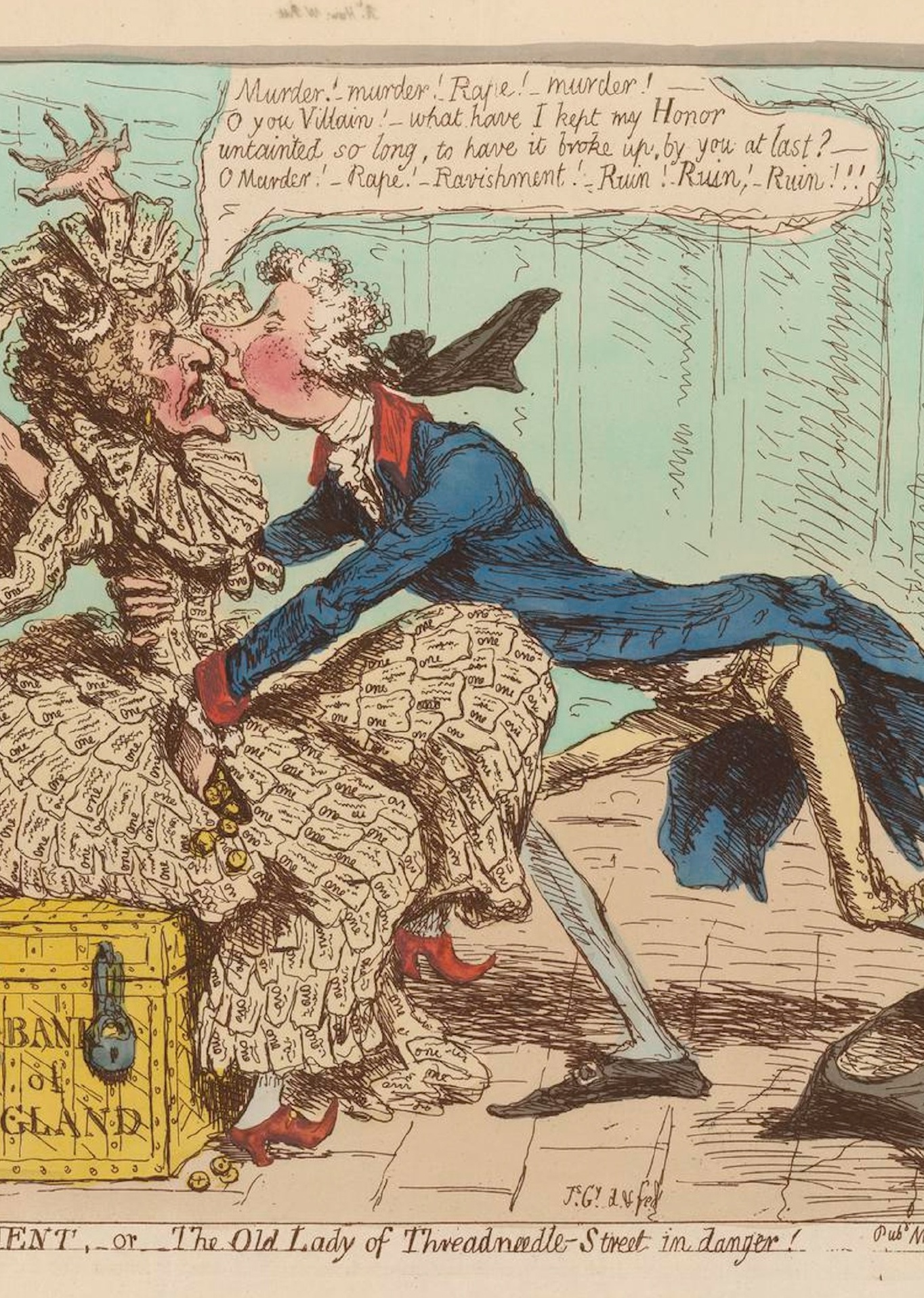
Britain invented central banking when it created the Bank of England in 1694 to finance a war with France. It invented the national debt as a permanent institution — an idea that was considered radical, then necessary, then inevitable. It created the joint-stock company, the insurance market, the commodity exchange, and the secondary market for government bonds, all within a few square miles of the City of London.
It also invented the bank run, the speculative bubble, the systemic crisis, and the too-big-to-fail problem — all long before those terms existed. Every major structural feature of the modern global financial system has a British origin, including the crises.
What follows is a timeline of the nine defining eras of British banking — from the goldsmith-bankers who discovered that you could lend out more than you held, to the post-2008 era of permanent emergency monetary policy in which we still live.